The Hidden Cost of Being Too Nice: How People-Pleasing Fuels Anxiety

We've all heard of fight or flight, the body's automatic response to danger. But there's a lesser-known survival strategy that millions of people employ every day, often without realizing it. It’s called fawning. This trauma response, characterized by chronic people-pleasing and self-abandonment, doesn't just affect how we relate to others, it creates a breeding ground for persistent anxiety that can follow us through every interaction and decision.
What Is the Fawning Response?
Fawning is a trauma response where we attempt to avoid conflict, mistreatment, or abandonment by appeasing others, often at the expense of our own needs and boundaries. Unlike fighting back or running away, fawning involves making ourselves smaller, more agreeable, and more accommodating. We become hyper-attuned to other people's emotions and needs while neglecting our own internal compass.
This response typically develops in childhood, particularly in environments where expressing needs, setting boundaries, or saying no resulted in punishment, withdrawal of love, or emotional volatility from caregivers. The child learns that their safety depends on keeping others happy. While this might have been an intelligent survival strategy in an unpredictable environment, it becomes problematic when carried into adulthood and applied indiscriminately to all relationships.
The Anxiety Connection
The relationship between fawning and anxiety is both direct and insidious. When we constantly prioritize others' needs over our own, we create internal chaos that manifests as chronic worry and nervousness.
First, fawning requires us to be constantly vigilant. We scan every room for emotional temperature, analyze every facial expression, and obsessively review conversations for signs that we've upset someone. This hypervigilance keeps our nervous system in a state of activation. We're always "on," always monitoring, always prepared to adjust ourselves to maintain harmony. This exhausting state of high alert is fertile ground for anxiety to flourish.
Second, when we habitually say yes when we mean no, we create a disconnect between our authentic selves and our actions. This internal fragmentation generates what psychologists call cognitive dissonance, the uncomfortable tension of holding contradictory beliefs or behaving in ways that conflict with our values. We might tell ourselves we're being kind, but deep down we know we're betraying ourselves. This split creates a persistent background hum of unease that feeds anxiety.
Third, people-pleasing puts us on an emotional roller coaster controlled entirely by others. Our sense of safety and worth becomes dependent on external validation. Did they smile? Are they happy with me? Did I do enough? This external locus of control means we can never truly relax because we can never fully control how others respond to us, creating a perpetual state of uncertainty and worry.
The Exhaustion Cycle
Chronic fawning is exhausting, and exhaustion itself amplifies anxiety. When we're constantly accommodating, anticipating, and adjusting ourselves to fit what we think others want, we deplete our mental and emotional resources. This depletion leaves us less equipped to handle normal life stressors, making everything feel more overwhelming and anxiety-provoking.
Moreover, because fawning often involves suppressing our authentic emotions and needs, those feelings don't disappear—they go underground. Unexpressed anger, resentment, and frustration accumulate, creating internal pressure that often manifests as generalized anxiety. We may not even connect our anxious symptoms to their true source: the self-abandonment we've been practicing for years.
The Resentment Paradox
One of the most anxiety-producing aspects of chronic people-pleasing is the resentment it generates. We give and give, often without being asked, and then feel hurt when others don't reciprocate or appreciate us in the ways we hoped. But we can't express this hurt directly—that would risk conflict or disapproval—so it festers. This creates an internal pressure cooker where we're simultaneously trying to please others while harboring growing resentment toward them, a psychologically destabilizing position that fuels anxiety.
Breaking the Pattern
Recognizing fawning as a trauma response rather than a personality flaw is the first step toward healing. It allows us to approach ourselves with compassion rather than judgment. The anxious, people-pleasing parts of us developed to keep us safe; they deserve understanding, not criticism.
Recovery involves gradually building tolerance for others' displeasure and learning that we can survive—and even thrive—when we set boundaries and honor our own needs. It means practicing saying no, expressing preferences, and allowing ourselves to disappoint people. Each small act of self-honoring helps retrain our nervous system to recognize that our worth isn't contingent on others' approval.
As we develop a more authentic way of relating, the hypervigilance begins to soften. We can start to trust that we don't need to monitor and manage everyone's emotional state. We learn that healthy relationships can accommodate our boundaries, and that people who truly care about us want us to be genuine, not perfect.
The path from fawning to authentic relating isn't easy, and the anxiety may initially intensify as we challenge old patterns. But on the other side lies something precious: the ability to be ourselves, to trust our own judgment, and to build relationships based on genuine connection rather than fearful accommodation. That's worth every uncomfortable step along the way.
As a yoga therapist, I help people who are ready to stop shrinking themselves learn how to come back to their own needs through gentle, body-based practices. Together, we work on building the inner safety that makes it possible to say no, set boundaries, and actually mean it.
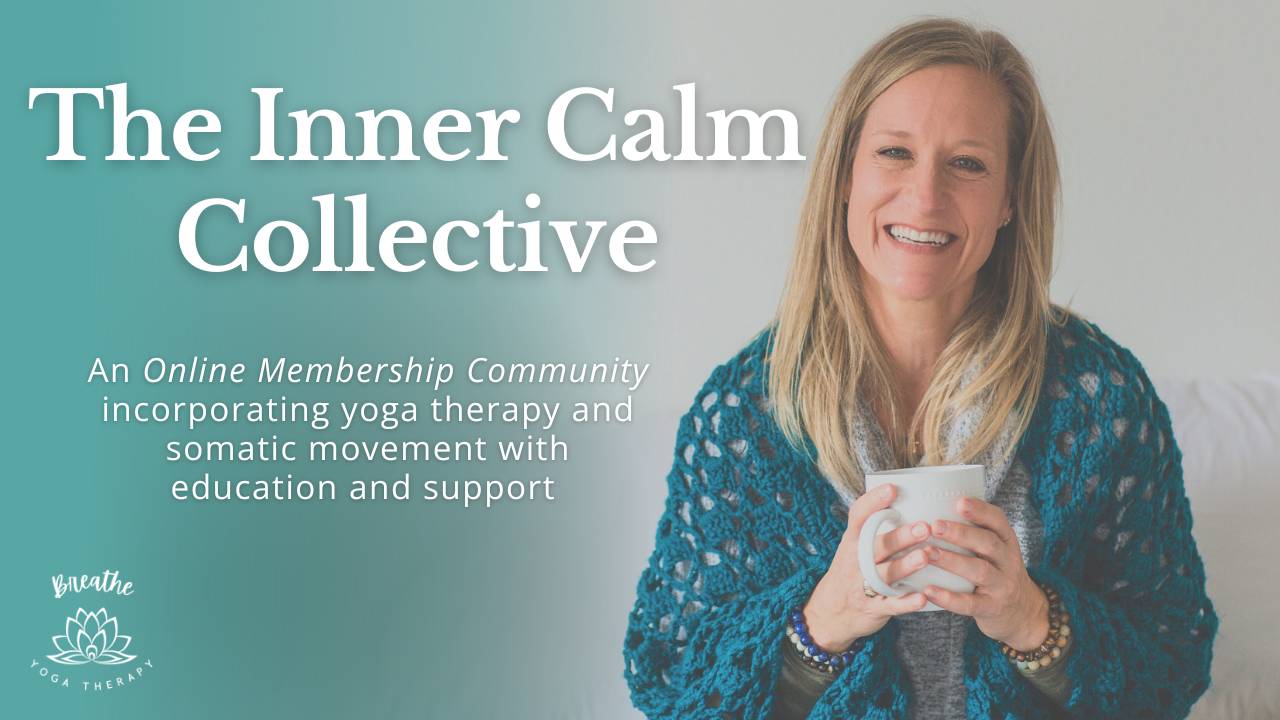
If this resonates, you don't have to figure it out alone. I'd love to invite you to join my online community, The Inner Calm Collective, a space where showing up for yourself is always enough.
Start with the free Inner Calm Collective membership tier and explore at your own pace. When you're ready for deeper support, the Elevated Membership offers live classes, daily practices, and a community where your needs finally get to come first.
Join Our Free Online Community!
You don’t have to do this alone. Inner Calm Collective is our online membership community where you’ll get expert tips, tools, and insights on healing anxiety, trauma, and building nervous system resilience.
Get the support and guidance you need to ease stress, calm your nervous system, and feel more at home in your body—every single day. Join now and start feeling the difference today!